How I funded my business with my side hustle by Sensi Graves
This guest blog was written by Sensi Graves
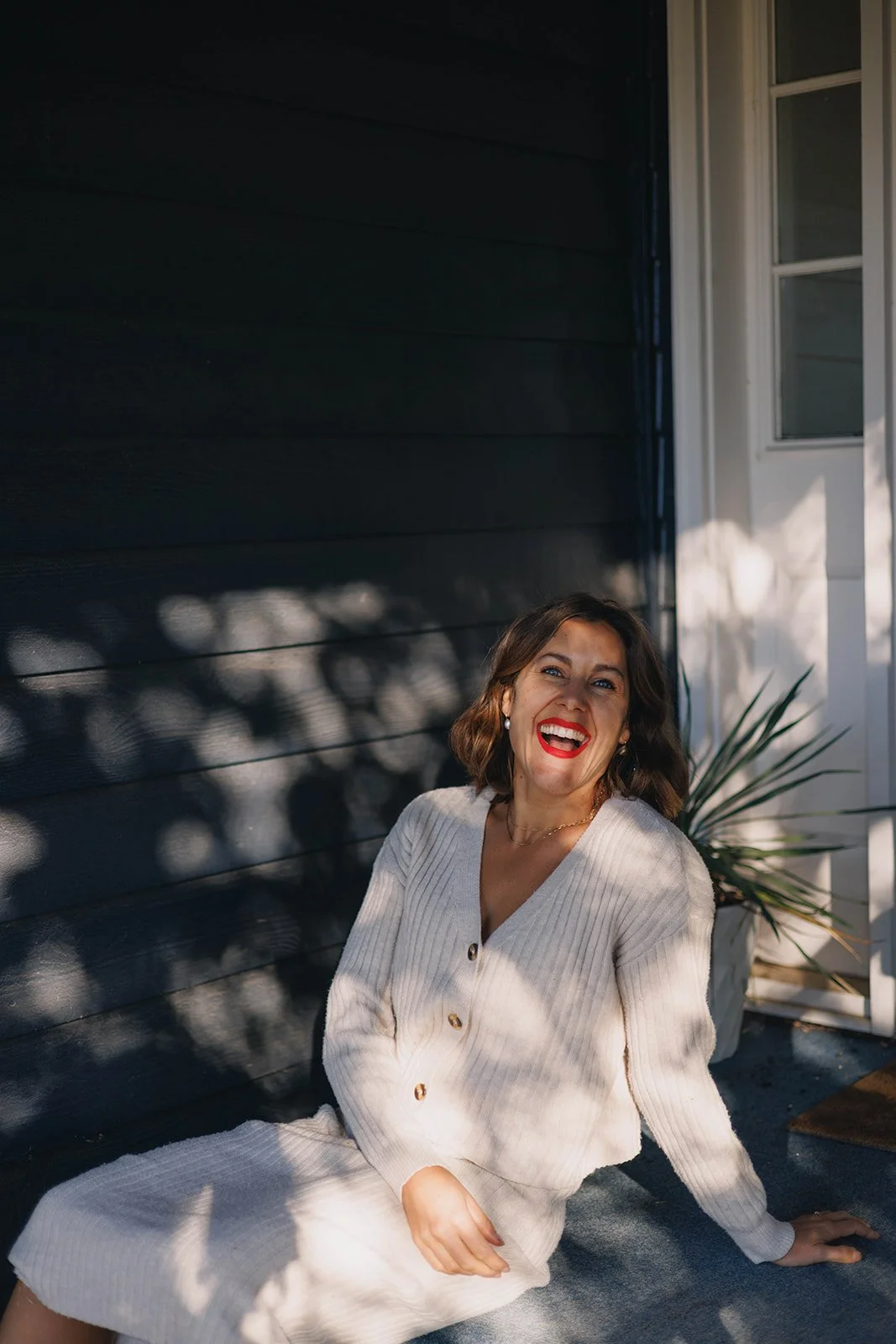
I balanced two steaming plates on my arm as I strode purposefully out of the swinging kitchen doors, my feet sweating in my black patent-leather Dansko shoes. As I placed the dishes down on the white linen table, beaming an “enjoy your meal” while simultaneously calculating how long it would take me to go grab a soda for table six before making my way over to the new four top that had just been seated, a voice behind me said, “Sensi?”. I looked up and found two new people had been seated in my section. “Oh hi! I recognize you from instagram!” the woman said. I grimaced inside, my belly constricting, shame immediately starting to bubble up. “Oh no” I thought. Not only did I not want to get sucked into a conversation while I was so busy—I most certainly did not want to recognized. I didn’t want to be seen waitressing.
The fact that I was recognized in my tiny town was not something to necessarily write home about. I lived in a small community in Oregon, whose year-round population hovered around 10,000 people. I owned a local swimwear brand. I worked at one of the busiest restaurants in town. It wasn’t surprising that I would get recognized. I had friends. I did things online. Yet, those recognitions felt like gut-punches. I didn’t want to be seen waitressing. It wasn’t something that I was proud of. It felt like something I shouldn’t have to be doing. Almost beneath me (which certainly it is not—I fully believe in the power of hard work and am a full supporter of anyone in the service industry. Those people are SAINTS, and keep our economy going. I was simply being a dick.
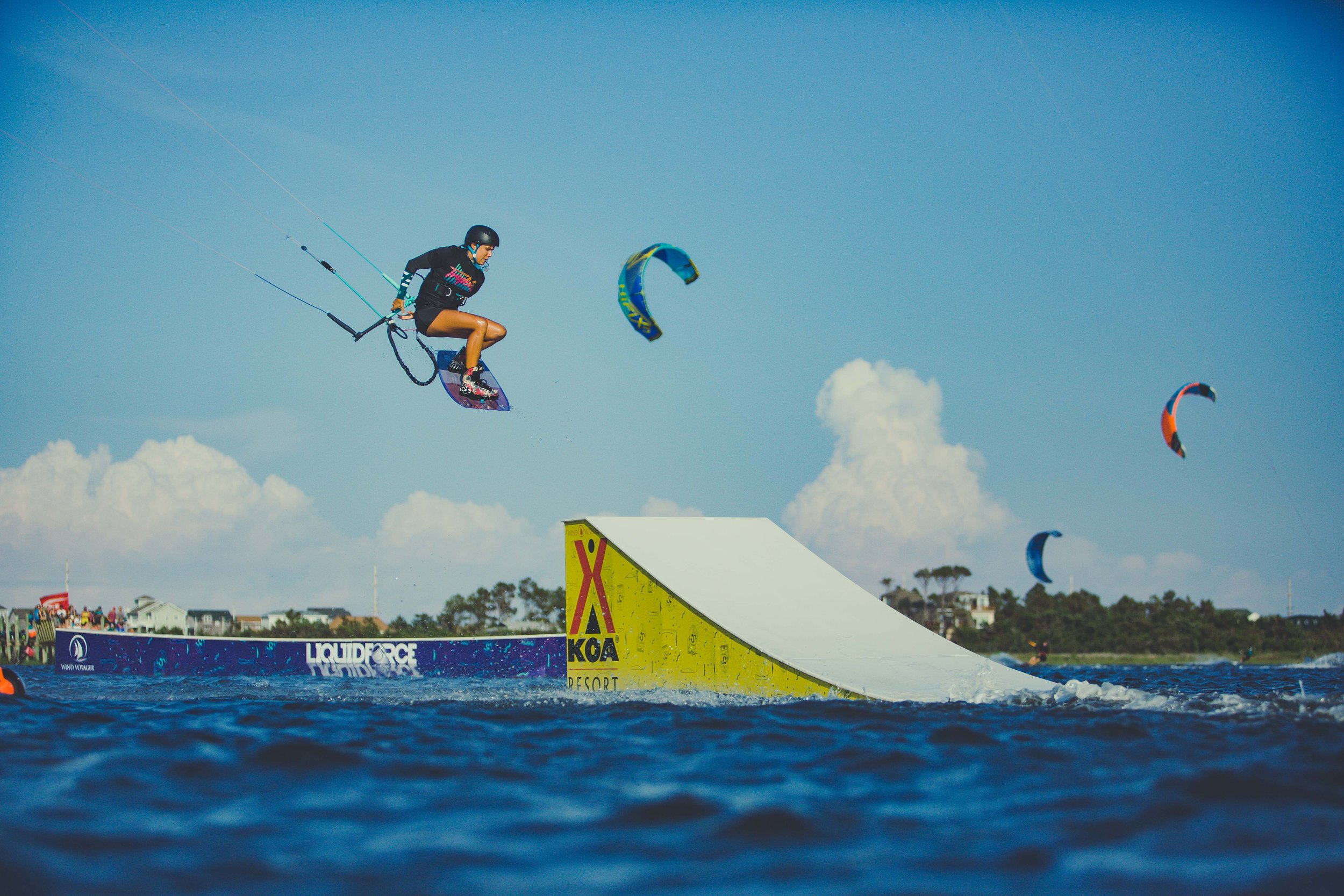
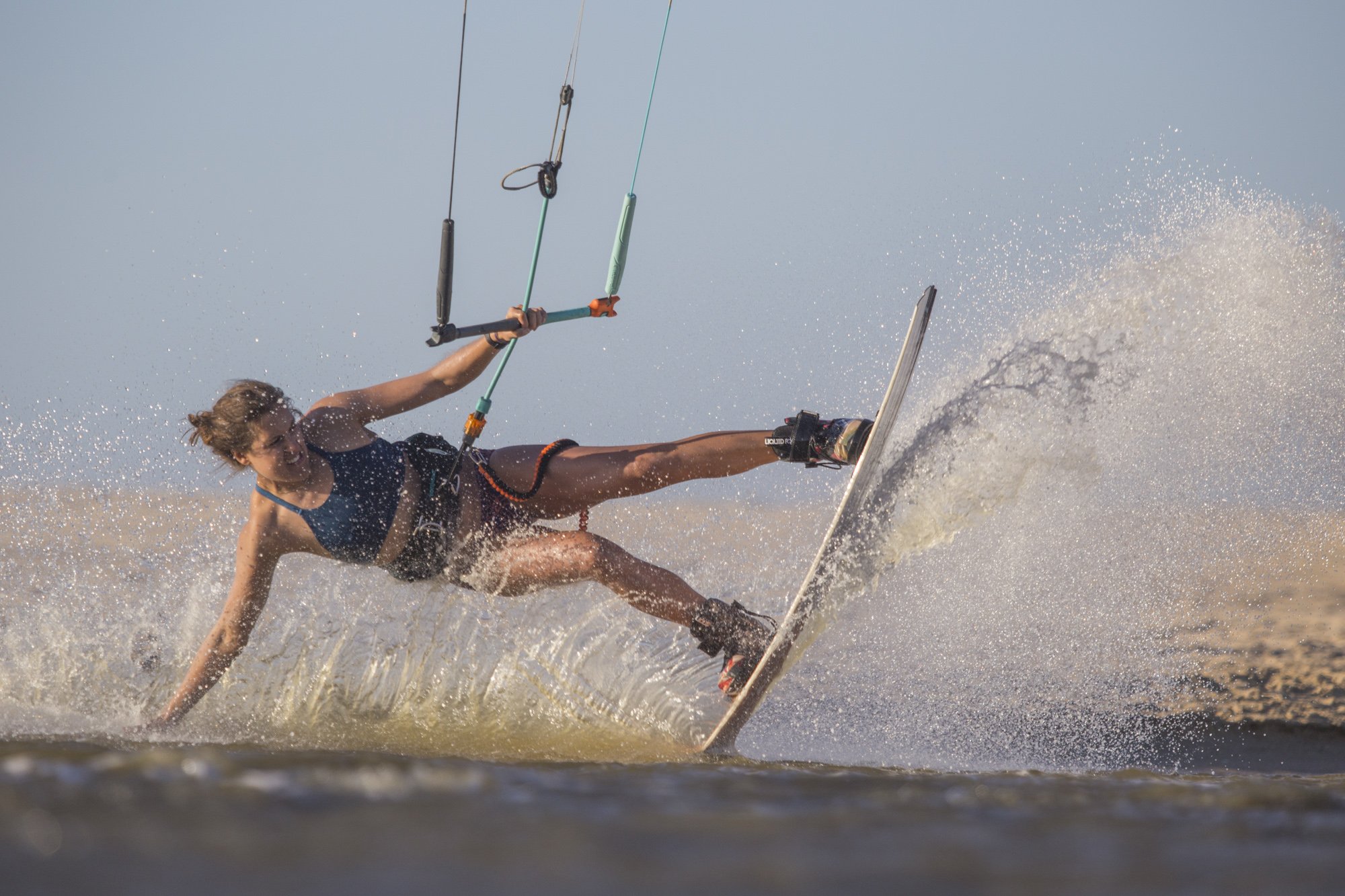
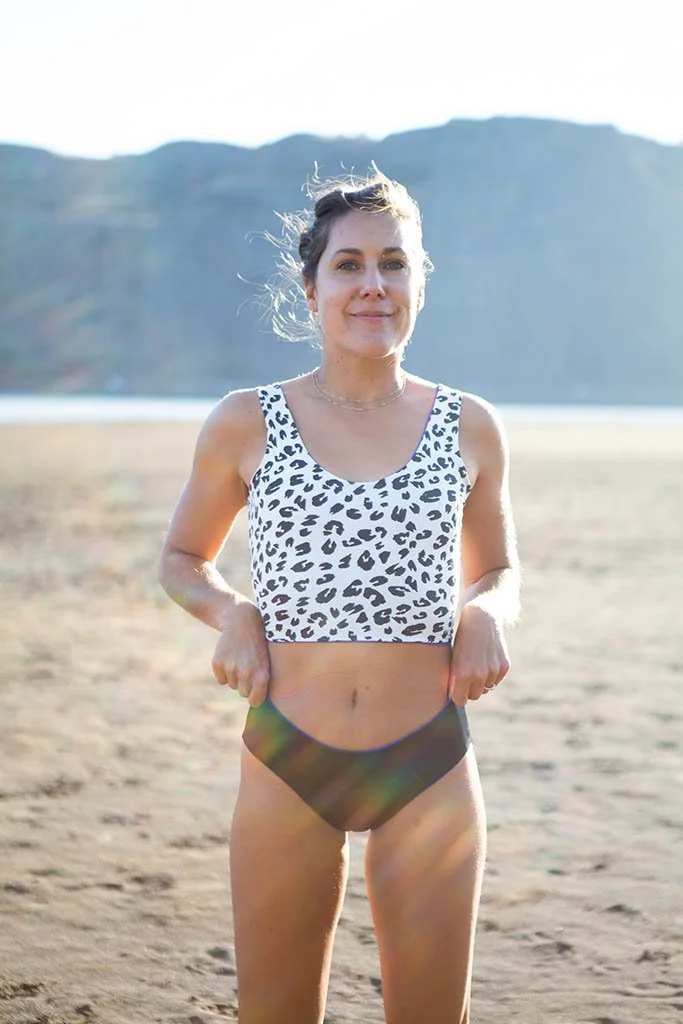
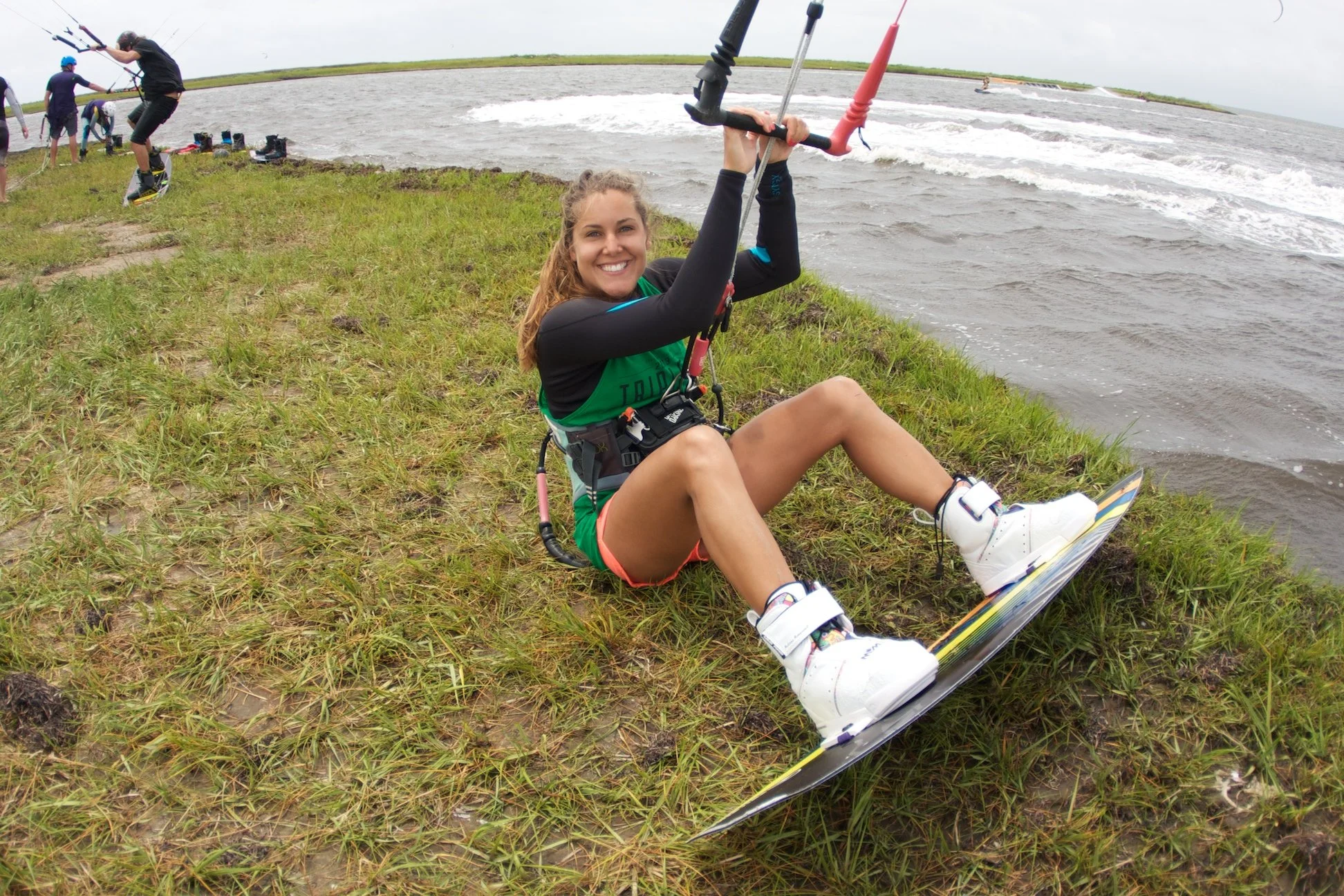
You see, at that time in my life, I was traveling around the world as a professional kiteboarder—picture wakeboarding, but with a massive kite pulling you across the water—competing nationally and internationally, while simultaneously running a sustainable swimwear line that I had founded six years prior. I would get recognized not only because I was competing in international kiteboarding competitions but also because I was the founder of a swimwear brand that had ballooned in local popularity.
Yet here I was, delivering daily specials of fresh-caught, pan-roasted Salmon to Marcie and her husband on table 43 while refilling bread baskets. In a word, I was embarrassed.
On the outside, it looked like I was crushing it. It looked glamorous and shiny and amazing. I traveled to places like Brazil and England and the Philippines. I designed cool-looking swimwear. I was living the life. Yet, in reality, I wasn’t making any money. Kiteboarding barely covered my travel expenses and I was making pennies in my swimwear business. In fact, one advisor, while reviewing my numbers with me commented, “you don’t have a business, you have a hobby,” (further cementing the shame I felt around where I was). What looked like amazing success on the outside felt like a game I couldn’t win and I wanted no part of the struggle.
The Reality Behind the Instagram Feed
Let's talk actual numbers, because that's what we're here to normalize. In the early days, my swimwear business was bringing in maybe $500-$800 a month in profit after expenses, most of which was being reinvested in the business. Some months, nothing at all. I was getting paid $800 a month as a kiteboarder and had a travel budget in order to fund my trips. Meanwhile, my rent alone was $800. I had groceries, utilities, a cell phone to pay for. The math wasn't mathing.
So I waitressed. Thursday through Sunday, dinner shifts. On a good weekend, I'd walk away with $700-$900 in tips. That money funded my life and enabled me to put cash into savings (through which I bought a house). It meant I could order that next round of fabric samples. It gave me the mental space to actually focus on growing my business instead of spiraling about how I was going to make rent (super important!!!)
Here's what my week actually looked like: Throughout the week, I would spend my mornings and early afternoons working on the biz. I'd wake up early, answer emails, work on designs, pack and ship orders (before I worked with a dropshipper), plan photoshoots, and hustle for wholesale accounts. After that, I’d head out on the water to train for any upcoming competitions I had. On the days I waitressed, I’d head from the beach straight to the restaurant. I'd come home at 11 PM smelling like grilled fish with aching feet and stuff my tip money into an envelope. Rinse and repeat.
Was it exhausting? Absolutely. Was it also the smartest financial decision I made during those years? Without question.
The Shift
The turning point came on a random Tuesday afternoon. I was sitting at a coffee shop working on my business when a woman approached me—another Instagram follower. But this time, instead of feeling that familiar clench of shame, I noticed something different in her eyes. It wasn't judgment. It was curiosity, maybe even respect.
"I saw you working at the restaurant last week," she said. "I just wanted to say—I think it's really cool that you're making it work. I've been wanting to start my own thing but I'm too scared to not have a stable income."
That conversation cracked something open in me. She wasn't looking down on me for waitressing. She was impressed that I'd found a way to fund my dream without going into debt or burning out from financial stress. In her eyes, my bridge job wasn't a sign of failure—it was evidence of commitment and resourcefulness.
What it took me a while to understand was that there is no shame in starting at the beginning and having what Marie Forleo calls a bridge job aka “a job that brings in money and keeps you on track financially while you start your dream business on the side,” The truth was that during that time, I did one thing very right, I prioritized making money. I sucked up my ego and put in the hard work to fund my dream. I knew that I needed to make money while I built my business. I wanted to be able to take care of myself and I knew that my nervous system would be too stressed if I didn’t have enough coming in. Forleo also says “one of the biggest obstacles that holds many people back from starting their own business is the fear of not being able to make enough money.”
I could have tried to make my business work on its own, scrambling for every sale, probably taking on debt, definitely losing sleep over every unexpected expense. Instead, I gave myself the gift of financial breathing room. My waitressing income wasn't Plan B—it was part of Plan A all along.
The Outcome
I waitressed for five years while building my business. Five years of nights shifts and sore feet and yes, occasional awkward encounters with Instagram followers. But you know what else happened during those three years? My swimwear sales grew from $2,000 a month to $10,000 a month. I hired my first part-time employee. I secured my first major wholesale account. I built a sustainable business, slowly and steadily, without the desperation that comes from needing every single sale to survive.
The month I finally gave my two weeks' notice at the restaurant is still one of my proudest moments. Not because I was "too good" for waitressing—but because I trusted myself enough to make the leap.
What I'd Tell You Now
The truth is that a bridge job is an empowering tool, not something to be embarrassed about. A job that you're doing so that you can have your needs met WHILE you focus the rest of your energy elsewhere is AWESOME and EMPOWERING and should be CELEBRATED. And even if your current job is not your "bridge" job but simply the job you have and may or may not like, that is awesome too. Because we need you. In that role. Doing the best possible job that you can.
Every job is meaningful and it's never embarrassing to do what you need to do to take care of yourself. The Stoics believed all honest work held dignity. Marcus Aurelius, a Roman emperor, wrote about finding meaning in whatever task was before you. Your bridge job isn't a detour—it's part of your path. We need waitresses and garbage truck drivers and baristas just as much as we need CEOs and pro athletes. One profession does not make any other less worthy.
As I began to embrace this perspective, the shame started to dissipate. I gave myself props for toiling away. My waitressing job was not evidence of failure but a strategic stepping stone toward my dreams.
If you're reading this while working a job that feels "less than" while building something on the side, I want you to know: you're not failing. You're being strategic. You're being responsible. You're playing the long game. And that Instagram-perfect entrepreneur who seems to have it all figured out? They probably had a bridge job too. They just didn't post about it.
So let's normalize the full story. Let's talk about the side hustles that fund the main hustles. Let's celebrate the unglamorous work that makes the glamorous dreams possible. Because the truth is, there's nothing more entrepreneurial than figuring out how to fund your vision—whatever that takes.
About Sensi:
Sensi Graves is a professional watersports athlete, mindset mentor, and empowerment speaker who helps people build self-trust, conquer self-doubt, and believe they’re enough—now, not someday. Through her story of becoming both a pro athlete and entrepreneur before she believed she could, she empowers women to step into visibility, lead with confidence, and unlock their fullest potential.
https://www.linkedin.com/in/sensi-graves/